
Leak Detection & RepairWithout Ripping UpYour Property
Hidden leaks cause thousands of pounds in damage before you even know they exist. We locate the source accurately, fix it permanently, and help you avoid the costly consequences of water damage.
Accurate location methods • Minimal disruption • Permanent repairs
25+ Years
Experience
Non-Invasive
Methods
Permanent
Repairs
Fully Insured
Coverage
Fast Booking
Response
Why Professional Leak Detection Saves You Money
Water leaks are deceptive. A pinhole leak in a pipe behind a wall can run for weeks before you notice the damp patch — by which time it has saturated plasterboard, damaged timber, stained ceilings, and created conditions for mould growth. The water damage often costs ten times more to repair than fixing the leak itself.
The challenge is finding exactly where the leak is. Water travels along pipes, joists, and membranes before appearing as a damp patch — often far from the actual source. Randomly opening up walls and floors is expensive, disruptive, and frequently targets the wrong location.
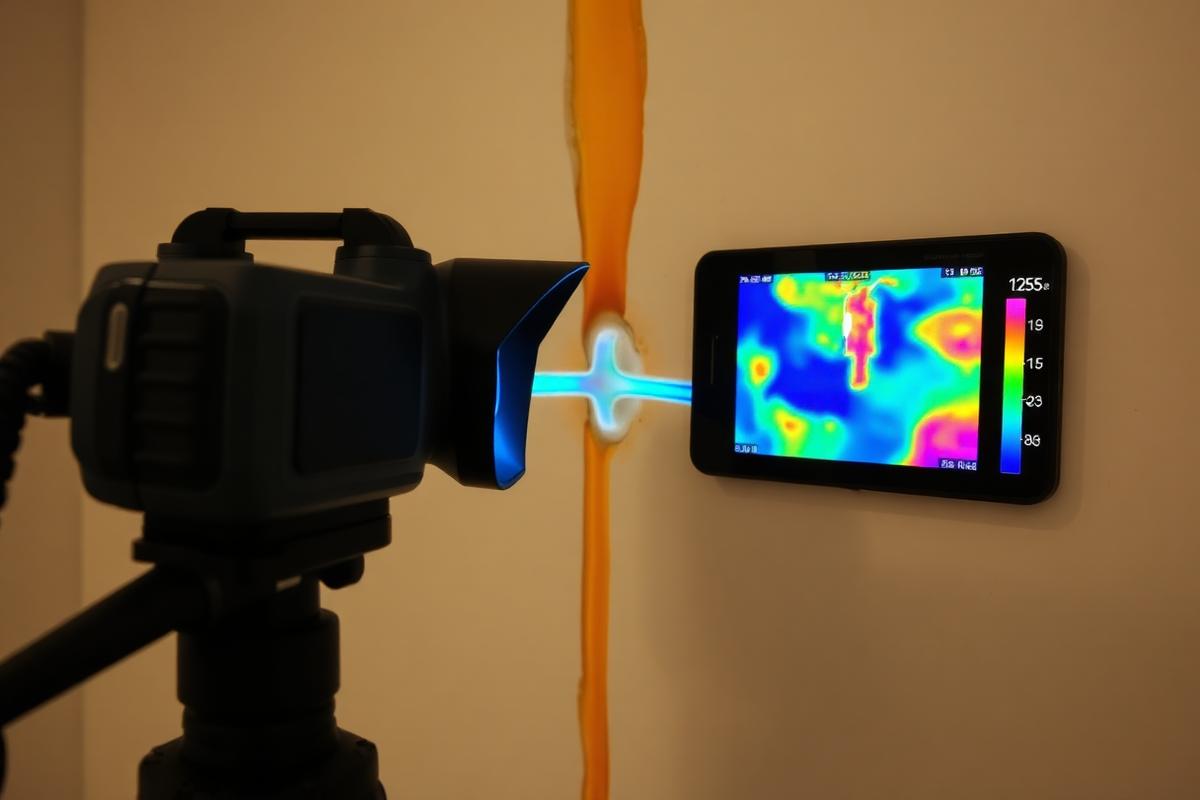
At Conroy Plumbing & Heating, we use systematic methods to pinpoint leak locations accurately before opening up. We trace pipe runs, test pressure, check joints, and use thermal and moisture detection where appropriate. This targeted approach means less disruption, less damage, and faster resolution.
Once located, we carry out a permanent repair — not a temporary patch. Whether the leak is in copper pipe, plastic pipework, a radiator valve, a boiler component, or a bathroom fitting, we fix the source and verify the repair before closing up.
The Hidden Cost of Undetected Leaks
Water damage is progressive. What starts as a minor drip becomes a major problem surprisingly quickly. And the costs compound — structural drying, plaster replacement, redecoration, and potential mould remediation can turn a £100 repair into a £3,000+ insurance claim.
- A leak losing just 1 drip per second wastes over 3,000 litres of water per year
- Persistent damp creates ideal conditions for black mould, which poses serious health risks
- Water tracking along joists can appear as a ceiling stain in a completely different room from the leak source
- Undetected heating system leaks cause continuous pressure loss, stressing the boiler and wasting energy
- Sub-floor leaks can undermine foundations and cause subsidence over time
- Insurance claims for water damage are frequently the most expensive domestic claims — averaging £5,000+
How We Find and Fix Leaks
Initial Assessment
We examine the visible signs — damp patches, staining, drips — and discuss when you first noticed the issue. We check water meter readings and system pressure to quantify the leak rate.
Systematic Investigation
We trace the pipework routes using system knowledge and visual inspection. We test accessible joints and connections, check under sinks, behind baths, at valve connections, and around boiler components.
Targeted Access
Once we have narrowed down the location, we open up the minimum area necessary to confirm and access the leak. No speculative demolition — just targeted, controlled access.
Permanent Repair
We repair the leak using appropriate materials and methods — pipe replacement, joint resoldering, fitting replacement, or compression repair depending on the location and pipe type.
Pressure Test & Verification
After repair, we pressurise the system and monitor for any further pressure drop. We confirm the leak is fully resolved before reinstating access panels or recommending making good.
Benefits of Professional Leak Detection
Accurate Location
We pinpoint the leak source before opening up, minimising unnecessary damage to your property.
Minimal Disruption
Targeted access means smaller holes, less mess, and faster reinstatement. We do not rip out walls on guesswork.
Permanent Repairs
We fix the source properly — no temporary patches or sealant bodges that fail again in weeks.
Insurance Support
We provide detailed reports describing the leak source, cause, and repair — supporting your insurance claim with professional documentation.
System Pressure Monitoring
For heating system leaks, we test the full system pressure to confirm no secondary leaks exist elsewhere.
Mould Prevention Advice
After fixing the leak, we advise on drying out the affected area properly to prevent mould growth — including ventilation and timescale guidance.
Leak Detection: In-Depth Guide
Common Leak Sources in Homes
The most frequent domestic leak locations are: under baths and showers (failed seals, loose waste connections), behind toilets (supply valve or cistern fittings), at radiator valves (compression joint weepage), in the boiler (heat exchanger pin-holing, pressure relief valve), under kitchen sinks (waste connections, flexi-hose failures), and in buried or concealed pipework (corrosion, frost damage, joint failure).
Heating System Leaks
Central heating leaks are often slow and hidden. The system loses pressure gradually — typically 0.2-0.5 bar per day — and the homeowner keeps topping up without investigating the cause. Common locations include radiator valve tailpieces, corroded radiator seams, failed soldered joints under floors, and pin-holed pipework in walls. We systematically isolate sections of the heating circuit to narrow down the leak location without draining the entire system.
Water Supply Leaks
Mains water supply pipes run at 2-4 bar pressure, so even a small leak produces significant water loss. Supply leaks often occur at stopcocks, compression joints, and where pipes pass through walls. Underground supply pipe leaks can run for months before surface water appears — we check meter readings and flow rates to confirm the presence and approximate rate of supply-side leaks.
Bathroom and Shower Leaks
Many bathroom leaks are not plumbing failures at all — they are failed waterproofing. Water from showers, baths, and sinks penetrates through deteriorated grout, silicone seals, or tile adhesive, tracking behind tiles and through floors to appear as ceiling stains below. We distinguish between plumbing leaks and waterproofing failures because the repair approach is completely different.
After the Repair: Drying and Restoration
Fixing the leak stops the water, but the affected area still needs to dry out properly. Plasterboard, timber, and insulation that have been wet for more than 48 hours may need removal and replacement. We advise on the drying process, recommend whether affected materials can be saved, and can refer trusted tradespeople for plastering and decoration if needed.
Frequently Asked Questions
Looking for something else? Phil also covers 24/7 emergency plumbing, full boiler installation and boiler repairs, annual boiler servicing, central heating installation, power flushing, leak detection and landlord gas safety certificates (CP12). Browse the full list on our services page or see recent jobs and customer reviews.
Based in Bolton, we work across Bolton, Manchester, Bury, Blackburn, Chorley, Wigan, Preston and Salford. See all areas we cover, learn more about Phil Conroy, or get in touch for a free quote.
Related Services
Ready to Get ThisSorted Properly?
Speak directly to Phil. No call centres, no scripts — just honest advice, fair pricing, and work you can rely on.